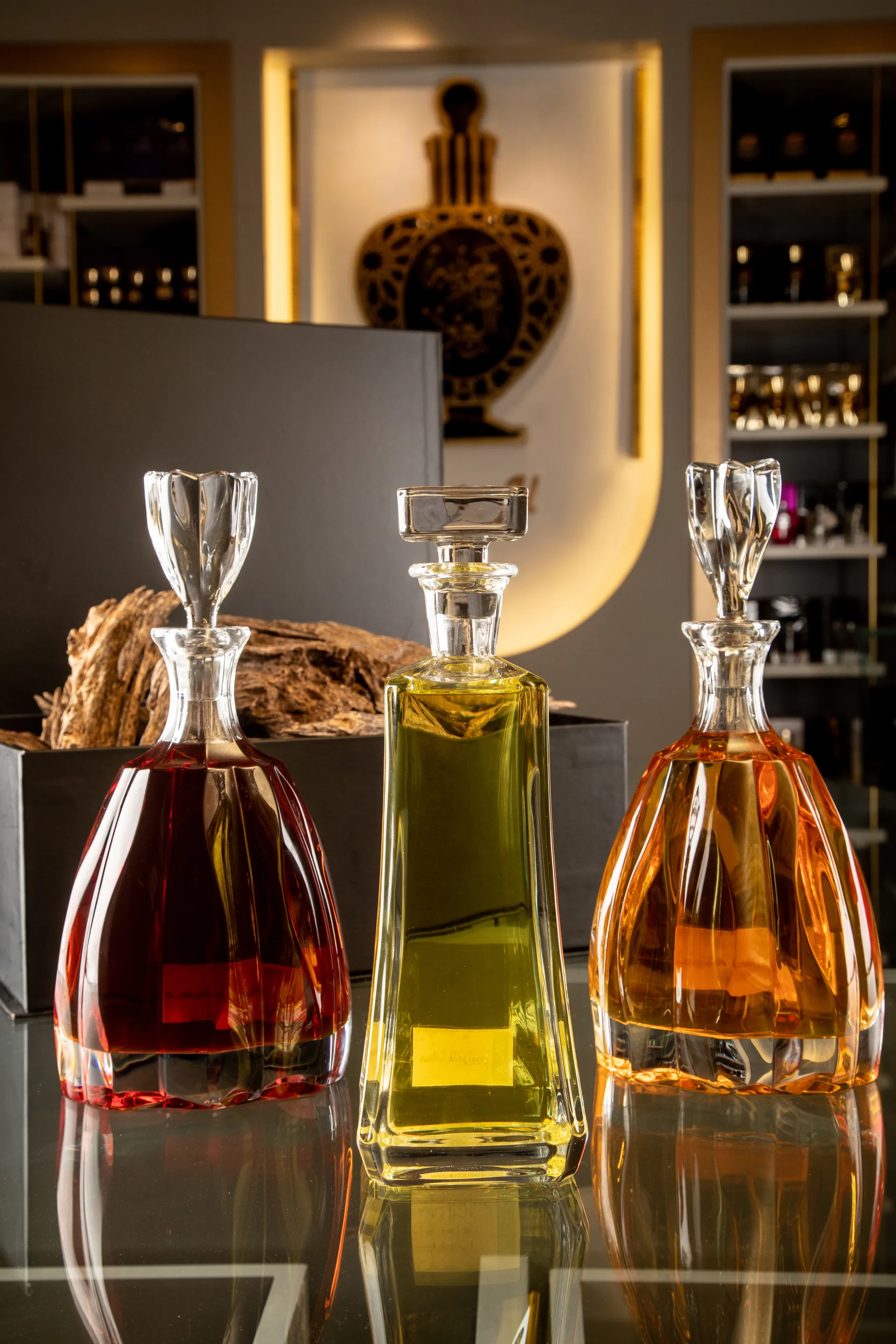
A product catalogue and a campaign do different jobs. One helps a customer inspect an item; the other places it in a setting that explains how it fits into their life. Before booking product photography in Dubai, decide which questions the images must answer, then build a shot list around those questions.
The choice is not always white-background or lifestyle photography. Many briefs need a small, deliberate combination rather than a large collection of similar images.
When a clean background is the useful starting point
Use clean-background images when the product itself needs to be easy to compare. A consistent angle, scale and crop can make a range feel coherent without hiding differences in shape, material or packaging.
- A front or three-quarter view establishes the overall product.
- A back or side view shows information the main angle cannot.
- A detail image reveals texture, closures, controls or finish.
- A packaging image distinguishes the item from the box or included accessories.
A white background is not automatically the right deliverable for every channel. Check the destination's current image requirements before capture, including backgrounds, crops and whether text or props are permitted. Do not assume one export will serve every marketplace, website and advertisement.
What lifestyle imagery adds
Lifestyle photographs show context: the size of a bag against a person, the way a lamp occupies a room or the role a serving dish plays on a table. The setting should answer a real question or support the brand's visual direction, not compete with the item.
Decide whether the shoot needs a model, hands only, a location or a tabletop set. Specify props and styling references before the shoot, including who supplies them and which items are not included with the product. Keep those distinctions clear in the final presentation.
Build a shot matrix before asking for a quotation
List each SKU or product variant, the required views and the final use. For example, a single product might need a clean main image, a reverse view, one close-up and one contextual image. That is four distinct deliverables, not four interchangeable photographs.
Mark the essential shots separately from optional campaign ideas. Note whether colour variants need individual photography and whether the packaging is final. A quote based only on the number of products can miss significant differences in setup, styling and retouching.
Give reflective and detailed products their own plan
Glass, polished metal and glossy packaging need controlled reflections. Tiny lettering or textured finishes may need a closer view. Discuss the important features beforehand so lighting and camera position serve the actual item.
Retouching should remove distracting production defects such as dust without misrepresenting the product. Agree on acceptable cleanup, colour references and whether compositing is required. Supply accurate reference samples rather than relying on a phone screen as the sole colour guide.
Plan crops, approvals and delivery separately
A tightly framed catalogue image may not leave room for a website headline. A horizontal composition may not work as a vertical social creative. Share the intended layouts and required aspect ratios before the photographer finalises the composition.
Keep these three stages distinct in the brief:
- Test approval: agree the lighting, angle and styling before repeating a setup across a range.
- Image selection: identify the frames that will receive the agreed retouching.
- Final exports: confirm dimensions, file types, naming and delivery dates for each destination.
Ask for a project-specific schedule. Proofs, priority selects and final retouched files are different deliverables; one promised date should not be assumed to cover all three.
A concise brief to send your photography team
- Product list, quantities and variants.
- Clean-background, lifestyle or mixed coverage.
- Required views and priority details for each item.
- Channels, crops and usage requirements.
- Styling references, sample condition and prop responsibilities.
- Approval contact, launch date and final-file requirements.
For a tailored shoot, explore Creative Lens Media's commercial product photography in Dubai and send the team your product brief. A clear plan makes it easier to choose the right balance of catalogue precision and contextual imagery.
← Back to the Journal